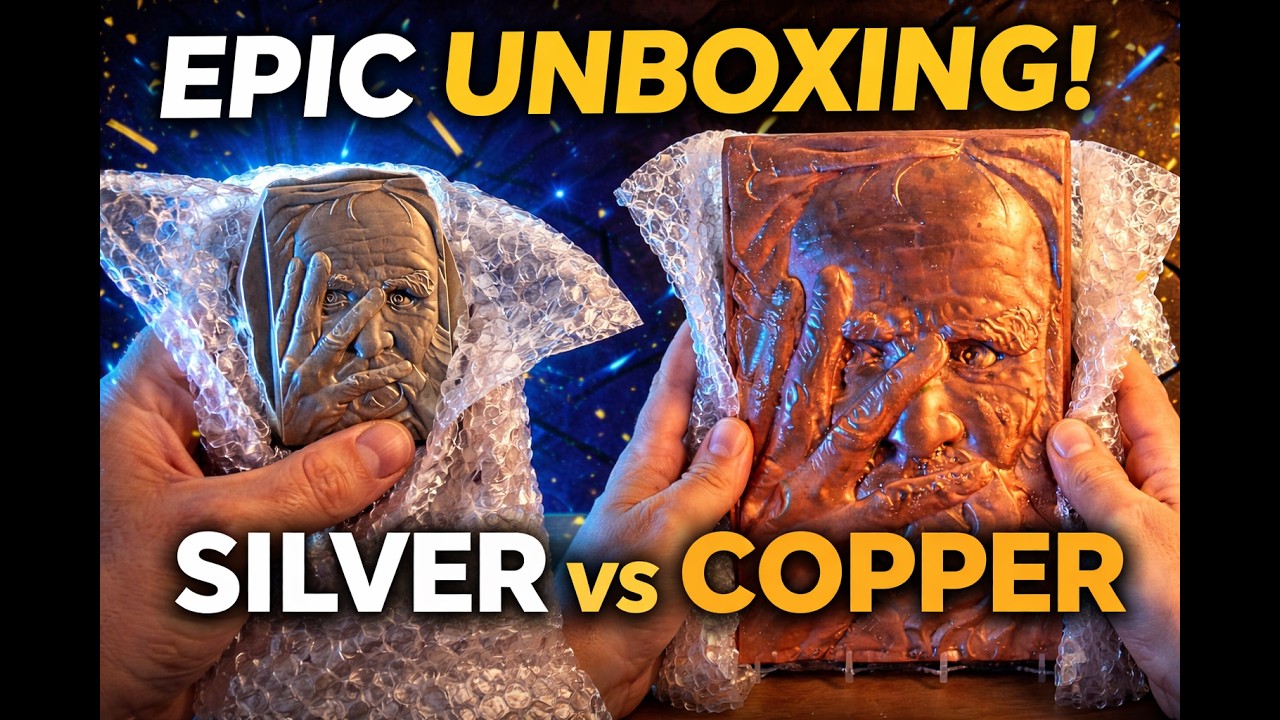
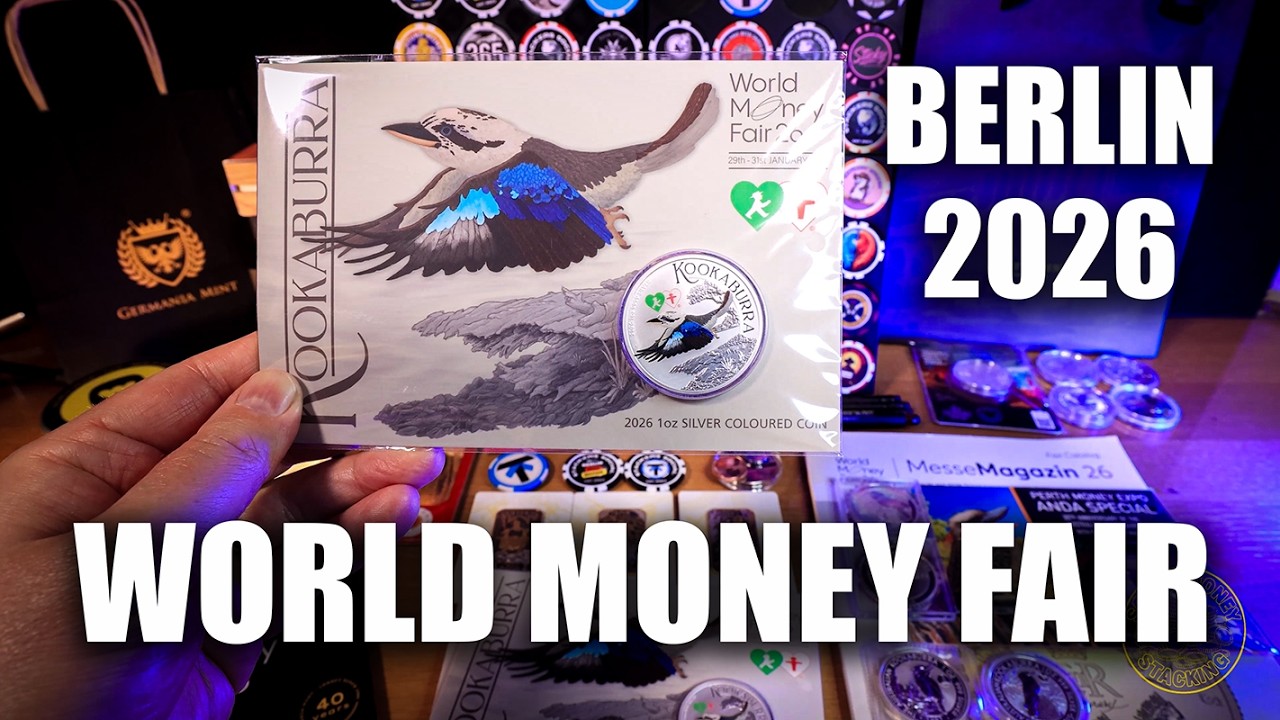
A coin can catch your attention long before you read its specifications. My recent Pressburg Mint purchases followed conversations at World Money Fair in Berlin, where I met members of the team and heard their enthusiasm for precision minting and design. This video is a chance to look more closely at that collecting appeal.
The people behind the pieces
In the published description I recall meeting Ladislav, Alan and Radoslav Behul. The mint is based in Bratislava, Slovakia, and the conversation at the fair added a human connection to objects I might otherwise have known only through photographs.
That is one of the pleasures of a coin show. You can ask about the ideas and processes behind a design, then bring that context back to the coins themselves. A conversation is not a substitute for checking product specifications, but it can make a collection more interesting.
A recognisable design language
Chronos, Equilibrium, Icon, Terra, Magnum Opus and Maltese Cross are among the series named in the video description. They offer different ways into modern collectible bullion, rather than repeating the same visual formula across every issue.
When I look at a new piece, I am interested in the balance between the design, the finish and the physical presence of the coin. The video’s close views are the place to judge those details for yourself; a series name alone cannot convey how a surface catches the light.
Keep the collecting decision separate
An appealing design can justify a place in a collection without making it the cheapest way to acquire silver. I prefer to recognise that distinction at the outset: what am I paying for metal, and what am I paying for the object?
For a UK buyer, delivery, purchase taxes and the treatment of a future sale also belong in that decision. My enthusiasm for a mint’s work is a starting point for exploration, rather than a promise about future premiums or a reason to ignore the complete delivered price.