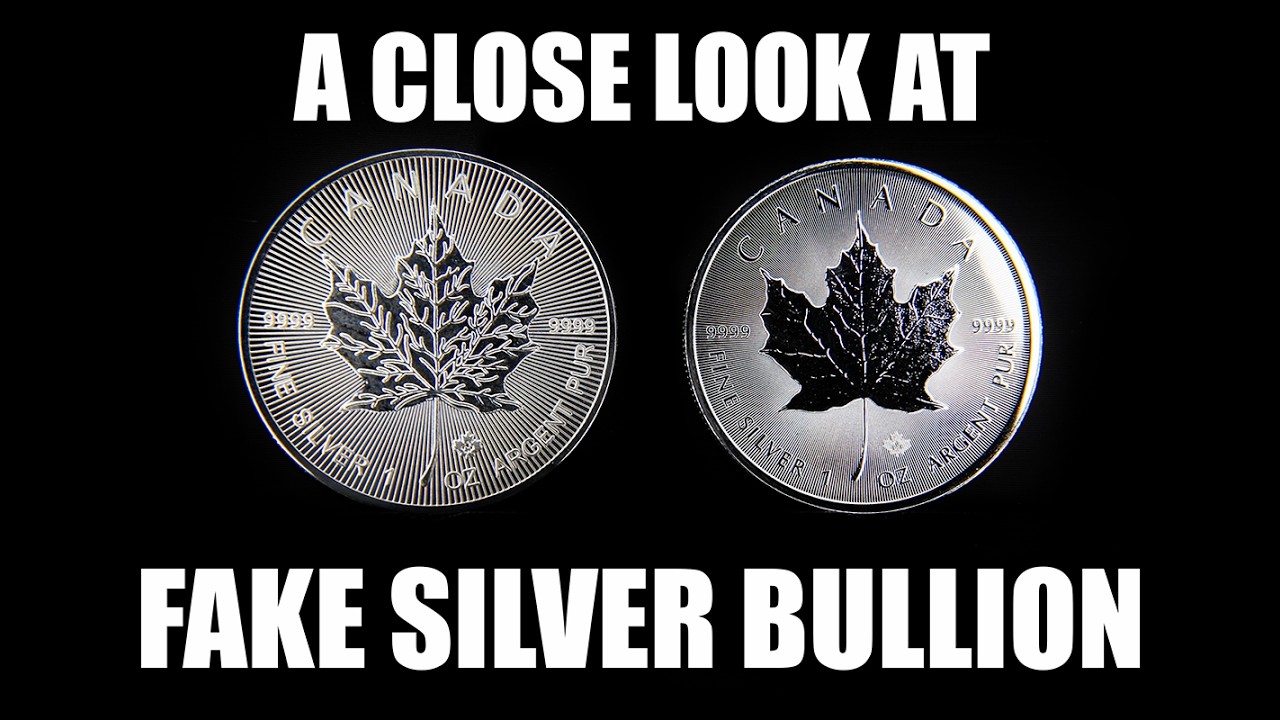
The best time to question a suspicious bullion listing is before you pay for it. This guide looks at the clues available while shopping, from a price that does not make sense to a description that quietly changes what is being offered. The same habits are useful for gold as well as silver.
Know what a plausible price looks like
Start with the metal content and the spot price, then compare real products of the same size and type. A very low price deserves an explanation. UK silver prices can also reflect VAT, premiums and delivery, so an unfamiliar price should be compared properly rather than judged in isolation.
An expensive listing is not automatically genuine either. The video includes examples at different price levels. A scammer can copy a believable asking price just as easily as an attractive photograph.
Read beyond the title
Read the complete description, including material claims and any references to plating, replicas or decorative use. Compare the photographs with reliable images of the same issue. Ask whether the photographs appear to show the actual item being sold, rather than a borrowed example.
Verification evidence should also be relevant to the object in the listing. A picture of testing equipment does not establish that the advertised coin was tested, and a vague claim about purity is not the same as measured evidence.
Assess the seller and your route back
Look at the seller’s history and the substance of their feedback, especially experience with comparable bullion. Know what payment, delivery and dispute arrangements apply before buying. Familiarity with a platform should not become blind trust in every seller using it.
I use secondary markets myself, so the purpose is not to frighten people away from them. It is to slow the decision down enough to check what is being offered and by whom. Missing one tempting listing is much easier to live with than buying under pressure and discovering the warning signs afterwards.